
Logistics information management reduces costs by making freight, inventory, warehouse, and fulfillment data usable in daily decisions. The most controllable savings often come from preventing avoidable shipments, rework, stock-related rush orders, and untracked service failures.
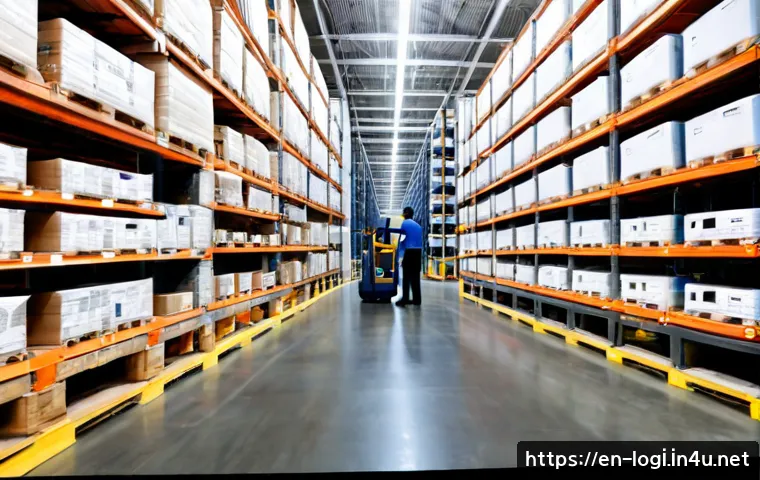
A logistics information manager may support this work by connecting operational data with the people who schedule shipments, manage inventory, and handle customer orders.
Paid logistics management software, freight rate comparison tools, or third-party logistics support can be worth reviewing when manual tracking no longer provides timely, reliable visibility.
The right option depends on shipment volume, warehouse complexity, internal capability, and the service level customers expect. Lower cost should always be weighed against delivery reliability, inventory availability, and customer experience.
At a Glance
- Transportation, inventory, warehouse labor, returns, and administration are common logistics cost areas to review first.
- Better data visibility identifies cost leaks, but savings require operational changes such as shipment consolidation, process improvement, or carrier selection.
- Compare internal tracking, logistics software, and external logistics support by total cost, service impact, implementation effort, and control.
| Approach | Typical Cost Model | Best Use Case | Main Trade-Off |
|---|---|---|---|
| In-house tracking | Internal labor and existing tools | Smaller operations with straightforward order and shipment flows | Can become difficult to maintain as orders, locations, or carriers increase |
| Logistics management software | Software fees plus implementation and training requirements | Businesses needing more consistent shipment, inventory, or warehouse visibility | Requires defined workflows, usable data, and internal ownership |
| 3PL, freight broker, or consulting support | Service, transaction, contract, or project-based terms | Operations needing outside capacity, freight expertise, or process guidance | Less direct control and a need to review service terms carefully |
What a Logistics Information Manager Can Do to Control Costs
The connection between shipment data, inventory data, and cost decisions
A logistics information manager, or the person performing that function, helps turn scattered operating information into decisions. Shipment records can show delivery exceptions, routing patterns, and freight charges. Inventory records can reveal stock availability and potential causes of rush shipments. Warehouse data can point to picking errors, rework, damaged goods, or repeated handling.
The useful question is not simply, “What did logistics cost?” It is, “What operational event created this cost, and can it be prevented without reducing service?” That connection helps teams move beyond broad cost cutting and focus on controllable causes.
Which logistics expenses are usually most visible and controllable
Common categories include transportation, warehousing, labor, inventory carrying, packaging, returns, and administrative expenses. Freight invoices and shipment records may make transport costs easier to see. Warehouse labor, storage, returns, and inventory-related costs can require a closer review of order flow and exceptions.
Start with areas where records already exist and where a manager can act on the findings. For example, repeated expedited shipments, frequent address corrections, or recurring order rework may be more actionable than a broad request to reduce every logistics line item at once.
A quick answer: data alone does not reduce costs without operational follow-through
Data visibility is the starting point, not the saving itself. A dashboard may reveal that shipments are leaving separately when they could be consolidated, but a shipping schedule or order-release process must change before freight spend changes. Likewise, a warehouse report may identify picking errors, but training, location control, or workflow adjustments are needed to reduce rework.
Before purchasing a transportation management system, warehouse management system, or analytics tool, identify the decision it should improve. If no one owns the next action, more data may only add another report.
Cost-Reduction Cases: Transportation, Warehousing, and Inventory
Case scenario: consolidating shipments to reduce avoidable freight spend
A business may find that orders going to the same customer, region, or delivery window are dispatched separately because order data is reviewed late or shipping rules are inconsistent. The possible improvement is to review shipment timing, promised delivery dates, and order grouping before tendering freight.
This can reduce avoidable transport activity in some operations, but consolidation should not automatically delay orders. Check the effect on delivery commitments, customer expectations, carrier capacity, and service exceptions. The lowest apparent freight option is not necessarily the lowest total logistics cost if it creates missed delivery dates or more customer service work.
Case scenario: improving warehouse accuracy to lower rework and return costs
Warehouse inaccuracies can create costs beyond the original pick. A wrong item may lead to repacking, additional shipping, returns handling, customer contacts, and inventory adjustments. Reviewing error types by order stage can help distinguish a labeling issue from a picking, packing, or inventory-location issue.
A practical response may include clearer work instructions, better location discipline, verification at a relevant handoff, or a warehouse management system feature that matches the actual workflow. The goal is not to add unnecessary checks. It is to reduce repeatable errors while keeping fulfillment moving.
Case scenario: using demand and inventory data to reduce rush shipments
Rush freight often appears when inventory availability is not visible early enough, when replenishment signals are delayed, or when demand changes are not shared across teams. Combining demand, open-order, and inventory information can help operations identify pressure points before a shipment becomes urgent.
Do not respond by cutting safety stock blindly. Inventory decisions should consider lead-time variability, availability requirements, and the cost of service failures. A lower inventory balance may look efficient while increasing emergency transportation or lost sales opportunities.
Compare In-House Management, Logistics Software, and External Support
Comparison table: cost, implementation effort, control, and scalability
| Decision Factor | In-House Management | Logistics Software | External Support |
|---|---|---|---|
| Implementation effort | Usually based on existing processes and staff capacity | May require data setup, workflow definition, training, and integration work | Requires provider onboarding, scope alignment, and service coordination |
| Operational control | High direct control | High control if internal teams maintain the system and processes | Shared control under the service arrangement |
| Scalability | May be limited by manual capacity | Can support more structured processes as complexity grows | May provide capacity or specialized expertise when internal resources are limited |
When a transportation management system or warehouse management system may be worth the cost
A transportation management system may be worth evaluating when freight rate comparison, carrier selection, shipment tracking, tendering, or exception handling are becoming difficult to manage consistently. A warehouse management system may deserve review when inventory location accuracy, order flow, labor coordination, or fulfillment errors are recurring concerns.
Ask vendors to show how the product handles your actual workflow rather than a generic demonstration. Review data ownership, implementation requirements, reporting access, support scope, pricing terms, and contract conditions. Software should solve a defined operational problem, not merely make reporting look more advanced.
When freight brokers, 3PL providers, or logistics consultants may be a better fit
A freight broker may be useful when a business needs help comparing transportation options or managing carrier access. A third-party logistics provider may fit when fulfillment capacity, warehouse operations, or distribution coverage cannot be handled internally. A logistics consultant may be appropriate when the main need is process diagnosis, workflow design, or a structured cost review.
Compare proposals on more than quoted rates. Ask how exceptions, claims, returns, reporting, account management, and service-level expectations are handled. Provider pricing models and contract terms vary, so the relevant details should be confirmed before committing.
A Practical Process for Finding Cost Leaks

Build a baseline for freight, labor, storage, damage, and returns
Build a simple baseline before changing carriers, processes, or technology. Gather available records for freight, warehouse labor, storage, damage, packaging, returns, and administrative handling. Separate recurring costs from unusual events where possible.
A baseline does not need to be perfect to be useful. It needs to be consistent enough to show where costs originate and to provide a comparison point after an improvement is tested.
Track cost per order, cost per shipment, fill rate, and delivery exceptions
Useful operating measures can include cost per order, cost per shipment, fill rate, and delivery exceptions. These measures should be read together. A lower cost per shipment could reflect better consolidation, but it could also reflect delayed dispatches that affect customer service.
Use exception records to add context. Delivery failures, rework, inventory shortages, damaged goods, and returns often explain why a cost number changed. This makes the review more practical than comparing invoices alone.
Test one improvement at a time and monitor service-level impact
Choose one clear improvement, such as a shipment-release rule, a packing check, or a replenishment review. Define what will be observed before the test begins. Then monitor the cost area and the related service outcome.
Testing one change at a time makes it easier to see whether the result came from the change itself or from another operational factor. If delivery reliability, inventory availability, or customer experience worsens, the apparent saving should be reconsidered.
Common Cost-Cutting Mistakes to Avoid
Selecting the lowest freight quote without reviewing accessorial charges
The lowest quoted freight rate may not represent the full shipment cost. Review the terms, included services, potential accessorial charges, transit expectations, and exception process. A freight rate comparison should consider the complete service requirement, not only the headline quote.
Cutting safety stock without considering lead-time variability
Reducing inventory can lower carrying costs, but it can also increase the risk of stock shortages and rush shipments. Review demand patterns, replenishment timing, and lead-time variability before changing inventory policies. The aim is a balanced decision, not the smallest possible inventory number.
Buying complex logistics software before defining workflows and data ownership
Software implementation can become difficult when no one has defined the order flow, approved data sources, or responsibility for exceptions. Document the current process first. Then identify the specific steps a transportation management system, warehouse management system, or logistics analytics tool should improve.
Selection Criteria and Comparison Summary
Before requesting software pricing, freight quotes, or logistics service proposals, use this neutral checklist:
- Problem definition: Which cost leak or service issue must be addressed?
- Baseline data: What current freight, labor, return, storage, and exception records are available?
- Workflow fit: Can the provider or system support the actual order, warehouse, and shipment process?
- Total terms: What implementation requirements, pricing model, service scope, and contract conditions apply?
- Service protection: How will delivery reliability, fill rate, inventory availability, and customer experience be monitored?
Small businesses may begin with disciplined internal tracking and targeted freight quote reviews. Growing e-commerce sellers may need stronger order, inventory, and fulfillment visibility. Multi-location operations may benefit from more structured warehouse systems, transportation management software, or external logistics support. For formal conditions, feature details, and service terms, review the relevant provider page and proposal carefully.
Closing Thoughts
Logistics cost reduction works best when it is tied to a specific operating decision. Better shipment and inventory information can reveal where money is being lost, but process follow-through determines whether the loss is reduced. Compare internal improvement, software, and outside support against the same standard: total logistics cost and dependable service. The right choice will vary with the business, its shipment profile, its systems, and its operational constraints.
Useful Information to Keep in Mind
Freight cost is only one part of logistics cost. Returns, warehouse rework, packaging, inventory availability, and administrative tasks can change the total result. A cost review is more useful when it includes both direct charges and the operational events behind them.
Important Considerations
This is a general guide. Actual savings, provider pricing, implementation requirements, certification expectations, and project outcomes vary by country, company size, shipment profile, contract terms, and existing systems. Confirm operational data and service conditions before making a software, carrier, consultant, or 3PL decision.
Frequently Asked Questions
Q1. Can a logistics information manager reduce costs without buying new software?
A1. Yes. Internal process improvement can begin with available shipment, inventory, warehouse, and return data. Reviewing exceptions, consolidating suitable shipments, improving warehouse accuracy, and reducing preventable rush orders may not require new software. The limitation is that manual tracking may become harder as complexity grows.
Q2. Which logistics costs should a small business review first?
A2. Start with costs that are visible and actionable: transportation, packaging, returns, warehouse labor, storage, and administrative handling. Also review delivery exceptions and rush shipments, because they may reveal avoidable underlying costs.
Q3. Is logistics software worth the cost for a growing e-commerce or distribution business?
A3. It may be worth evaluating when manual processes no longer provide reliable visibility into orders, inventory, warehouse activity, or carrier performance. Compare the system’s implementation requirements and contract terms with the operational problem it is expected to solve. No cost-saving outcome should be assumed without reviewing baseline data and service-level effects.