
In today’s fast-paced supply chain environment, mastering logistics information management is more crucial than ever. Efficient handling of data not only streamlines warehouse operations but also boosts overall productivity and customer satisfaction.

From tracking inventory to optimizing storage layouts, strategic warehouse management plays a vital role in reducing costs and minimizing errors. I’ve seen firsthand how integrating smart logistics solutions can transform a business’s efficiency.
Let’s dive deeper into the essential strategies that make logistics and warehouse management truly effective. Get ready to explore the details with me!
Leveraging Real-Time Data for Smarter Inventory Control
Implementing Dynamic Stock Monitoring Systems
One of the game-changers in logistics today is the use of real-time stock monitoring. I’ve seen warehouses transform from chaotic storage spaces into well-oiled machines just by installing smart sensors and RFID tags.
These tools provide instant updates on stock levels, enabling managers to avoid overstocking or stockouts. Imagine walking into a warehouse and instantly knowing exactly where each item is located and how many are left without a single manual count.
This not only saves time but drastically reduces human errors that can ripple into costly delays or customer dissatisfaction. From my experience, the initial investment in these technologies pays off quickly through improved order accuracy and faster fulfillment.
Forecasting Demand with Predictive Analytics
Predictive analytics takes inventory management to a whole new level. By analyzing historical sales data, seasonal trends, and even external factors like market conditions or social media buzz, companies can anticipate demand fluctuations with surprising accuracy.
I once worked with a logistics team that integrated predictive analytics into their warehouse software. They were able to prepare for holiday surges months in advance, avoiding last-minute panic and costly expedited shipping.
This approach requires data expertise, but the payoff in reduced waste and optimized inventory turnover is undeniable.
Benefits of Automated Replenishment Systems
Automated replenishment systems tie directly into real-time data and forecasting. When stock levels hit predefined thresholds, purchase orders are automatically triggered, ensuring shelves are replenished without manual intervention.
From what I’ve observed, this automation cuts down on downtime and keeps the supply chain flowing smoothly. It also frees up warehouse staff to focus on higher-value tasks, like quality control or process improvements.
Though setting up these systems can be complex initially, the boost in operational efficiency and reduction in stockouts make it worthwhile for most businesses.
Optimizing Warehouse Layouts for Maximum Efficiency
Designing with Flow in Mind
Warehouse layout is more than just fitting as many shelves as possible into a space. The real art lies in designing a flow that minimizes unnecessary movements.
I’ve seen warehouses where simple rearrangements—like placing high-turnover items near packing stations—shave hours off daily operations. This kind of strategic layout reduces worker fatigue, speeds up picking processes, and cuts down on errors.
One tip I always share is to map out the entire picking route and look for bottlenecks or backtracking. Even small tweaks can create a ripple effect of improved productivity.
Utilizing Vertical Space and Modular Storage
Space is money in warehousing, and vertical storage is a must-have strategy. Using adjustable racks and modular shelving systems allows warehouses to adapt to changing inventory sizes and volumes.
In one project I was involved with, switching to modular storage increased usable space by nearly 30%, allowing the company to expand their product range without moving to a bigger facility.
Plus, vertical storage keeps the floor clear, which improves safety and makes cleaning easier. Embracing this flexibility is essential for warehouses that want to stay agile in today’s fast-changing markets.
Incorporating Technology for Layout Management
Digital tools like warehouse management systems (WMS) now come with layout optimization features. These tools simulate different configurations and predict their impact on efficiency before any physical changes happen.
I found this especially useful during a recent warehouse upgrade, where the software helped avoid costly mistakes by testing various scenarios virtually.
Using technology to plan layout changes reduces downtime and ensures that every square foot is maximized for throughput and safety.
Streamlining Order Fulfillment Processes
Batch Picking vs. Zone Picking Techniques
Choosing the right picking strategy can make or break order fulfillment speed. Batch picking groups multiple orders to be picked simultaneously, reducing trips across the warehouse.
Zone picking, on the other hand, divides the warehouse into sections where workers specialize, speeding up accuracy. From my hands-on experience, combining both methods based on order complexity works best.
For example, simple, high-volume orders might use batch picking, while complex orders with diverse SKUs benefit from zone picking. The key is flexibility and continuous process evaluation.
Integrating Voice Picking Solutions
Voice-directed picking systems have grown on me after seeing how they improve accuracy and worker safety. Instead of relying on handheld scanners or paper lists, workers receive verbal instructions through headsets, keeping their hands free.
In a busy warehouse environment, this reduces errors and speeds up picking because workers don’t have to constantly look down or stop to check lists. I’ve noticed that teams using voice picking report higher job satisfaction since the process feels smoother and less stressful, which indirectly boosts productivity.
Ensuring Quality Control During Fulfillment
Speed is vital, but so is accuracy. I’ve often emphasized that quality control checkpoints during fulfillment prevent costly returns and customer complaints.
Simple steps like barcode scanning at packing stations or double-checking orders before shipment can save a business from negative reviews and loss of trust.
Combining technology with a trained workforce creates a fail-safe system. From my perspective, investing time upfront in quality checks pays dividends in customer loyalty and operational efficiency.
Enhancing Transportation Coordination and Delivery Tracking
Real-Time Shipment Visibility
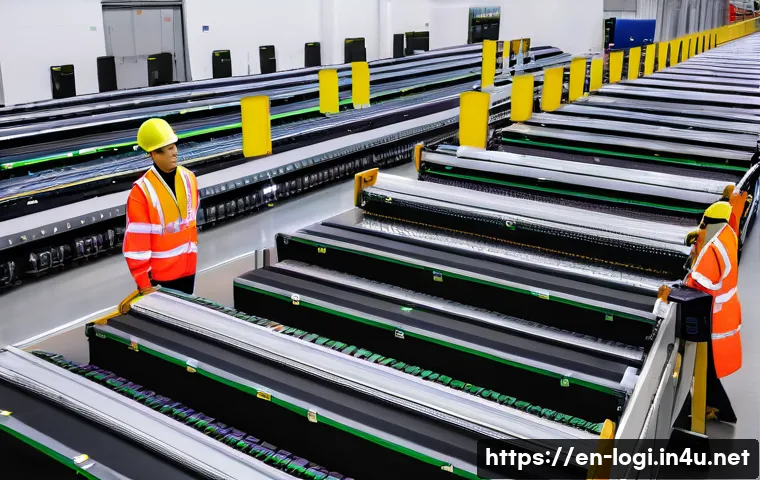
One of the biggest frustrations customers face is uncertainty about when their orders will arrive. Integrating GPS and IoT devices into transportation fleets provides real-time shipment tracking, which not only improves customer communication but also allows logistics managers to proactively address delays.
I recall working with a distributor who reduced delivery complaints by 40% after adopting a live tracking system. This transparency builds trust and reduces customer service workload, freeing staff for more strategic tasks.
Optimizing Route Planning with AI
AI-powered route optimization is a game-changer for delivery efficiency. By considering traffic patterns, delivery windows, and vehicle capacities, AI algorithms craft routes that save fuel and time.
I’ve personally tested these tools and found that even modest route improvements can lead to significant cost reductions. The beauty is that these systems continuously learn and adapt, making them smarter over time.
For any logistics operation handling multiple deliveries daily, investing in AI route planning is a no-brainer.
Coordinating Multi-Modal Transport
In today’s global supply chains, shipments often cross multiple transport modes—trucks, trains, ships, and planes. Coordinating these handoffs smoothly is crucial.
I’ve seen companies struggle with delays because their systems couldn’t sync information across modes. Implementing integrated platforms that track cargo throughout its journey helps identify issues early and optimize transfer points.
This holistic visibility ensures shipments move seamlessly from origin to destination, reducing lead times and costs.
Building a Data-Driven Culture in Logistics Teams
Training Staff on Analytics Tools
The best technology is useless if the team can’t use it effectively. I always recommend regular training sessions focused on analytics and reporting tools.
When warehouse staff and logistics managers understand the “why” behind the data, they’re more empowered to make smart decisions. From my experience, even a few hours of hands-on training can boost confidence and lead to meaningful process improvements.
Encouraging curiosity about data fosters a culture of continuous learning and innovation.
Setting Clear KPIs and Accountability
Defining clear, measurable key performance indicators (KPIs) is essential to track progress and motivate teams. I’ve worked with organizations where setting targets like order accuracy rates, picking speed, or on-time delivery percentages created a shared focus.
Regularly reviewing these KPIs in team meetings drives accountability and sparks constructive discussions on how to overcome challenges. Transparency in performance metrics makes everyone feel responsible and part of the success story.
Encouraging Feedback and Process Iteration
Logistics is dynamic, so processes should evolve constantly. I’ve found that inviting frontline workers to share feedback uncovers practical insights that management might miss.
Creating an open environment where suggestions are welcomed and tested shows respect for employees’ expertise and leads to incremental improvements. From my observations, this participatory approach boosts morale and fosters ownership, which ultimately enhances operational efficiency.
Comparing Key Warehouse Technologies and Their Impact
| Technology | Primary Benefit | Typical ROI Timeline | Challenges |
|---|---|---|---|
| RFID & Sensors | Real-time inventory tracking | 6-12 months | Initial hardware cost, integration complexity |
| Predictive Analytics | Demand forecasting accuracy | 12-18 months | Data quality, requires skilled analysts |
| Automated Replenishment | Reduced stockouts and manual work | 9-15 months | System setup and threshold calibration |
| Voice Picking | Improved picking speed and accuracy | 6-9 months | Training time, user adaptation |
| AI Route Optimization | Fuel and time savings in delivery | 3-6 months | Data integration, initial trust in AI suggestions |
| Integrated Transport Platforms | Seamless multi-modal coordination | 12 months | System interoperability, data sharing agreements |
In Conclusion
Leveraging real-time data and advanced technologies has truly transformed how warehouses operate, making inventory control smarter and more efficient. From dynamic stock monitoring to AI-driven route planning, these innovations help businesses reduce errors, cut costs, and enhance customer satisfaction. Embracing a data-driven culture and optimizing processes ensures long-term success in the fast-paced logistics world.
Useful Information to Keep in Mind
1. Real-time inventory tracking through RFID and sensors significantly reduces manual errors and speeds up stock management.
2. Predictive analytics enables proactive demand forecasting, helping to avoid overstocking or shortages during peak seasons.
3. Automated replenishment systems streamline restocking, freeing staff to focus on quality control and operational improvements.
4. Voice picking technologies improve accuracy and worker safety by allowing hands-free order processing.
5. AI-powered route optimization cuts delivery times and fuel costs while adapting continuously to changing conditions.
Key Takeaways
Investing in smart warehouse technologies delivers measurable returns by enhancing accuracy and efficiency across inventory, fulfillment, and transportation. Success depends not only on adopting tools but also on training teams, setting clear KPIs, and fostering an environment where continuous feedback drives ongoing improvement. A well-designed warehouse layout combined with integrated digital systems creates a seamless flow that supports faster, error-free operations and ultimately boosts customer satisfaction and profitability.
Frequently Asked Questions (FAQ) 📖
Q: How can logistics information management improve warehouse efficiency?
A: Effective logistics information management allows real-time tracking of inventory levels, order statuses, and shipment details, which dramatically reduces delays and errors.
When data flows smoothly between systems, warehouse staff can prioritize tasks better, optimize storage space, and ensure faster order fulfillment. From my experience, businesses that adopt smart logistics tools often see a noticeable drop in misplaced items and quicker turnaround times, directly boosting productivity and customer satisfaction.
Q: What are the key technologies that enhance warehouse management today?
A: Technologies like RFID tagging, warehouse management systems (WMS), and automated data capture tools play pivotal roles. RFID helps in instantly identifying and locating items without manual scanning, while WMS software integrates inventory data with operational workflows for smarter decision-making.
I’ve noticed that warehouses using these technologies can dynamically adjust storage layouts and handle peak demand more smoothly, cutting down labor costs and minimizing human errors.
Q: What strategies help reduce costs while maintaining accuracy in warehouse operations?
A: One effective approach is implementing a lean inventory system combined with continuous data analysis. This means keeping stock levels just right—not too high to incur holding costs, nor too low to cause shortages.
Pairing this with regular audits and staff training ensures accuracy in stock handling. Personally, I’ve seen companies save significantly by using predictive analytics to forecast demand, enabling them to allocate resources efficiently and avoid costly overstock or stockouts.