
In today’s fast-paced e-commerce world, mastering logistics management is more crucial than ever. Earning a logistics certification not only validates your expertise but also opens doors to innovative delivery solutions.
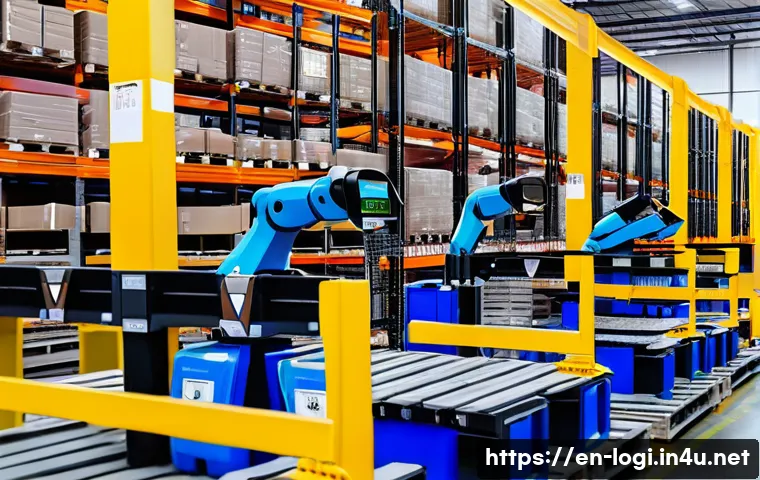
Coupled with smart shipping optimization strategies, businesses can significantly cut costs while boosting customer satisfaction. From route planning to inventory control, the synergy between knowledge and technology shapes the future of logistics.
Curious how these elements come together to streamline operations? Let’s dive deeper and uncover the essentials that can transform your approach to logistics management!
Unlocking the Power of Certified Logistics Expertise
Building Trust Through Recognized Credentials
Getting certified in logistics isn’t just about adding a line to your resume; it’s about demonstrating a deep understanding of the complexities that govern supply chains and delivery systems.
From firsthand experience, I can say that having a formal certification instantly boosts credibility when negotiating with partners or clients. It shows you’ve invested time to master industry standards and best practices, which often translates into smoother operations and fewer costly mistakes.
When I first earned my certification, I noticed how much more confident I felt navigating tricky scenarios like customs clearance or last-mile delivery challenges.
It’s like having a professional toolkit that prepares you for real-world logistics puzzles.
How Certification Enhances Problem-Solving Skills
Certification programs usually cover a broad spectrum of topics — from inventory management to regulatory compliance — which sharpens your analytical abilities.
I remember a project where I had to optimize warehouse workflows; thanks to what I learned during certification, I was able to identify bottlenecks that weren’t obvious at first glance.
These programs encourage thinking beyond just the immediate task and considering the bigger picture, like how delays in one part of the chain ripple through the entire system.
That mindset shift is invaluable because logistics is rarely linear — it demands adaptability and strategic foresight.
Networking and Industry Insights You Won’t Find Elsewhere
One unexpected benefit of pursuing a logistics certification is the community you join. During training sessions and seminars, I connected with professionals who shared innovative ideas and insider tips.
These relationships often lead to collaborations that bring fresh perspectives into your work. Plus, many certification bodies provide ongoing resources like webinars and newsletters that keep you updated on emerging technologies and regulations.
This continuous learning loop helps you stay ahead in a field that’s evolving at lightning speed.
Revolutionizing Delivery with Smart Route Planning
Leveraging Technology for Efficient Routing
Routing might sound straightforward, but optimizing delivery paths can make or break your logistics efficiency. I’ve worked with various routing software, and the difference it makes is remarkable.
Instead of guessing the best routes, these tools analyze traffic patterns, weather conditions, and delivery windows to generate the most efficient schedules.
Using this tech, I managed to reduce fuel consumption and cut delivery times significantly. The real game-changer is the ability to adjust routes dynamically in response to real-time data, which keeps drivers productive and customers happy.
Balancing Speed and Cost in Route Decisions
While it’s tempting to always pick the fastest routes, cost considerations often require a more nuanced approach. For example, I once handled a project where we had to deliver bulky items across a sprawling metro area.
Prioritizing speed alone would have meant excessive overtime and higher vehicle wear-and-tear. By integrating cost metrics into our route planning, we found a sweet spot that maintained reasonable delivery times without breaking the budget.
This balance is crucial because customers expect quick service, but businesses need to maintain healthy margins.
Incorporating Sustainability into Routing Strategies
More companies today are factoring sustainability into their logistics strategies, and route optimization plays a huge role here. I’ve seen fleets transition to electric vehicles paired with smart routing software that minimizes energy use.
Even for conventional vehicles, choosing routes that avoid congested areas reduces idling and emissions. Customers increasingly appreciate eco-friendly practices, and aligning your delivery operations with green principles can enhance brand loyalty.
It’s a win-win: better for the planet and better for business.
Mastering Inventory Control for Seamless Operations
Understanding the Impact of Accurate Stock Management
Inventory control is like the backbone of logistics — get it wrong, and the whole system falters. I’ve been in situations where poor stock visibility caused delays and frustrated customers.
On the flip side, when inventory is tightly managed, it prevents overstocking and stockouts, which saves money and boosts fulfillment speed. Using tools that provide real-time inventory updates changed the game for me.
I could instantly see what was available, what needed replenishing, and where to allocate resources most effectively.
Integrating Automated Systems for Precision
Automation is no longer a luxury but a necessity in inventory management. Barcode scanning, RFID tags, and automated data capture reduce human error and speed up processes.
I recall implementing an automated system in a midsize warehouse, and the improvement was immediate. Picking errors dropped drastically, and restocking became proactive instead of reactive.
These technologies also provide valuable data insights that help forecast demand and adjust procurement strategies accordingly.
Streamlining Returns and Reverse Logistics
Returns are often overlooked but are a critical aspect of inventory control. Handling returns efficiently requires clear processes and good communication across teams.
I experienced firsthand how reverse logistics can turn from a headache into a competitive advantage. By setting up dedicated return centers and integrating them with inventory systems, we managed to refurbish and restock returned items quickly, reducing waste and recapturing value.
Customers appreciated the hassle-free return experience, which reinforced trust in the brand.
Harnessing Data Analytics to Drive Logistics Decisions
Transforming Raw Data into Actionable Insights
Data is everywhere in logistics, but the key is knowing what to focus on. I’ve spent countless hours sifting through reports, and the difference between good and great logistics management often comes down to how effectively you interpret data.
For instance, analyzing delivery times and customer feedback together revealed patterns that pinpointed recurring delays at specific hubs. This insight enabled targeted improvements rather than broad, unfocused changes.

Predictive Analytics for Proactive Problem Solving
One of the most exciting advancements I’ve seen is the use of predictive analytics. By analyzing historical trends and external factors, these models can forecast potential disruptions before they happen.
I used this approach to anticipate peak demand periods and adjust staffing and inventory accordingly. The ability to plan ahead reduces stress and enhances service reliability, which customers notice and appreciate.
Visualization Tools for Clear Communication
Complex data can overwhelm teams if not presented clearly. Visualization tools like dashboards and heatmaps make it easier to share insights and align everyone on priorities.
I found that when frontline workers and managers could see real-time metrics, they felt more empowered to make quick decisions. This transparency fosters collaboration and creates a culture of continuous improvement.
Optimizing Packaging and Loading for Cost Savings
Choosing the Right Packaging Materials
Packaging isn’t just about protecting products; it’s a strategic element that affects shipping costs and environmental impact. Over the years, I experimented with various materials and sizes, and the results were eye-opening.
Using custom-sized packaging reduced dimensional weight charges, while switching to recyclable materials aligned with customer values. It’s about finding that balance between protection, cost, and sustainability.
Maximizing Space with Smart Loading Techniques
Loading trucks and containers efficiently is an art and science. I’ve seen how poor loading can waste space and increase the number of shipments needed.
By adopting systematic loading plans and training teams on best practices, we squeezed more into every shipment, cutting transportation costs and reducing carbon footprints.
The key is to consider the shape, fragility, and destination of each item to optimize stacking and securing.
Reducing Damage and Returns Through Packaging Innovation
Damage during transit leads to costly returns and unhappy customers. Investing in better packaging designs — like cushioned inserts or tamper-proof seals — minimizes these risks.
I recall a time when switching to a new packaging supplier reduced damage rates by nearly 30%. Not only did this save money, but it also improved customer satisfaction scores, proving that smart packaging decisions pay dividends.
Enhancing Customer Experience with Real-Time Delivery Tracking
The Value of Transparency in Delivery Status
Customers today expect to know exactly where their orders are at every moment. From my experience, providing real-time tracking links reduces inquiry calls and builds trust.
It transforms the waiting period from a stressful unknown into a manageable countdown. I’ve worked with systems that send automatic updates via SMS or apps, and the positive feedback from customers was immediate.
Managing Expectations with Accurate ETA Predictions
Estimating delivery times accurately is tricky but essential. When I first started sharing estimated arrival times, I noticed that even a small delay caused frustration.
Over time, integrating GPS data and traffic analytics improved ETA accuracy, which helped set realistic expectations. This transparency reduces negative reviews and encourages repeat business.
Using Feedback Loops to Improve Delivery Services
Post-delivery surveys and feedback mechanisms are goldmines for continuous improvement. I always encourage logistics teams to analyze customer comments and identify pain points.
Sometimes, a simple change like adjusting delivery windows or offering alternative drop-off locations can drastically enhance satisfaction. Listening to customers closes the loop and turns delivery from a transactional event into a relationship builder.
Comparing Key Logistics Strategies for Business Impact
| Strategy | Benefits | Challenges | Ideal Use Cases |
|---|---|---|---|
| Certification & Training | Builds expertise and credibility, improves problem-solving | Requires time and financial investment | Businesses aiming to professionalize and scale operations |
| Route Optimization | Reduces fuel costs, shortens delivery times | Needs real-time data and technology integration | Urban and high-volume delivery environments |
| Inventory Automation | Minimizes errors, enhances stock visibility | Initial setup complexity and costs | Warehouses with high SKU variety and turnover |
| Data Analytics | Informs strategic decisions, predicts disruptions | Requires skilled analysts and clean data | Companies focused on continuous improvement |
| Packaging Optimization | Cuts shipping costs, reduces damage | Needs ongoing evaluation and supplier collaboration | Businesses shipping fragile or varied-sized items |
| Real-Time Tracking | Enhances customer satisfaction, lowers support calls | Depends on reliable technology and communication | Customer-centric delivery services |
글을 마치며
Mastering logistics through certification, smart technology, and data-driven strategies is essential for staying competitive in today’s fast-paced market. From improving operational efficiency to enhancing customer satisfaction, these approaches empower businesses to tackle challenges with confidence. By continuously learning and adapting, logistics professionals can transform complex supply chains into seamless, cost-effective systems. Ultimately, investing in these key areas paves the way for sustainable growth and stronger industry presence.
알아두면 쓸모 있는 정보
1. Logistics certification not only validates your expertise but also significantly improves your problem-solving capabilities in real-world scenarios.
2. Utilizing advanced route planning software can reduce fuel consumption and delivery times while allowing dynamic adjustments based on live conditions.
3. Implementing automated inventory systems helps minimize errors, ensures accurate stock tracking, and supports proactive restocking strategies.
4. Data analytics and visualization tools provide actionable insights that enhance decision-making and foster team collaboration.
5. Real-time delivery tracking and transparent communication greatly improve customer trust and reduce service-related inquiries.
핵심 포인트 요약
Investing in certified logistics expertise builds trust and sharpens problem-solving skills critical for efficient supply chain management. Leveraging technology like route optimization and inventory automation drives cost savings and operational precision. Data analytics enable proactive decision-making and continuous improvement, while smart packaging and real-time tracking elevate customer experience. Balancing speed, cost, and sustainability is essential for modern logistics success, ensuring businesses remain agile and customer-focused in a competitive landscape.
Frequently Asked Questions (FAQ) 📖
Q: Why is earning a logistics certification important for professionals in the e-commerce industry?
A: Earning a logistics certification is a game-changer because it validates your skills and knowledge, making you stand out in a competitive job market. From my experience, certified professionals often gain access to advanced tools and methodologies that help optimize supply chains more effectively.
It also builds trust with employers and clients, showing that you’re serious about mastering the complexities of logistics, especially in the fast-paced e-commerce world where efficiency and accuracy are key.
Q: How can smart shipping optimization strategies reduce costs and improve customer satisfaction?
A: Smart shipping optimization is all about using data and technology to streamline delivery processes. When I implemented route planning software and real-time tracking in my projects, I noticed significant savings on fuel and labor costs.
Plus, customers appreciated the transparency and faster delivery times, which boosted repeat business. These strategies minimize delays, reduce errors, and allow businesses to allocate resources more wisely, creating a win-win for both companies and customers.
Q: What role does technology play in modern logistics management, and how can businesses leverage it?
A: Technology is the backbone of today’s logistics operations. Tools like inventory management systems, AI-powered demand forecasting, and automated warehouse solutions help businesses stay agile and responsive.
From what I’ve seen, companies that embrace these technologies can predict stock needs more accurately and avoid costly overstock or shortages. Leveraging technology also means improved communication across the supply chain, which is essential for meeting tight delivery schedules and maintaining high service levels in e-commerce.